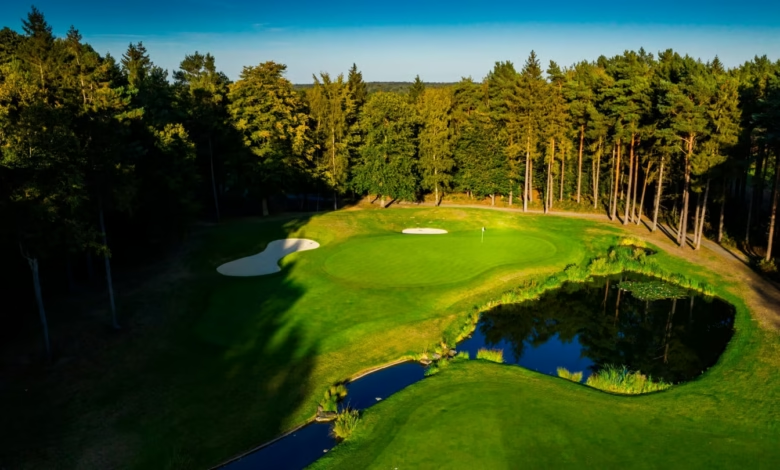
Woburn Golf Club Green Fees rates remain one of the most searched topics among golfers planning a premium UK golf trip. Located in Buckinghamshire, Woburn Golf Club is widely regarded as one of the finest golfing destinations in England, offering three championship courses in a beautiful woodland setting. Understanding Woburn Golf Club Green Fees rates is essential for visitors who want to plan their experience properly and avoid unexpected costs.


The appeal of Woburn Golf Club Green Fees rates lies not only in the prestige of the club but also in the quality of the overall experience. Golfers from across the UK and internationally visit to enjoy immaculate fairways, challenging layouts, and exceptional hospitality. Whether you are a casual player or a serious golfer, knowing the pricing structure helps you make informed decisions before booking your round.
Overview of Woburn Golf Club and Its Reputation
Woburn Golf Club has built a strong reputation as a world-class golf venue, attracting both professional tournaments and elite amateur players. The club features three outstanding courses: the Duke’s, Duchess’, and Marquess’, each offering a unique challenge and playing style. The environment is peaceful, yet highly competitive, making it a memorable experience for all visitors.
The growing interest in Woburn Golf Club Green Fees rates is closely linked to the club’s prestige and exclusivity. Unlike many public courses, Woburn maintains high standards of presentation and service throughout the year. This ensures that every visitor enjoys a premium experience, which is reflected in the pricing structure and demand for tee times.
Woburn Golf Club Green Fees 2026 Pricing Structure
Woburn Golf Club Green Fees rates for 2026 vary depending on the day of play, season, and package selection. Weekdays generally offer slightly lower rates compared to Fridays, while peak summer months tend to see higher demand and pricing. Visitors can expect premium pricing, but this is balanced by the high-quality experience and course conditions.
When analysing Woburn Golf Club Green Fees rates, it becomes clear that value is added through inclusions such as dining options, practice facilities, and clubhouse access. Green fee-only options are available, but many golfers prefer package deals that enhance the overall experience. Understanding these variations allows visitors to choose the best option based on their budget and expectations.
Course-by-Course Breakdown of Green Fees
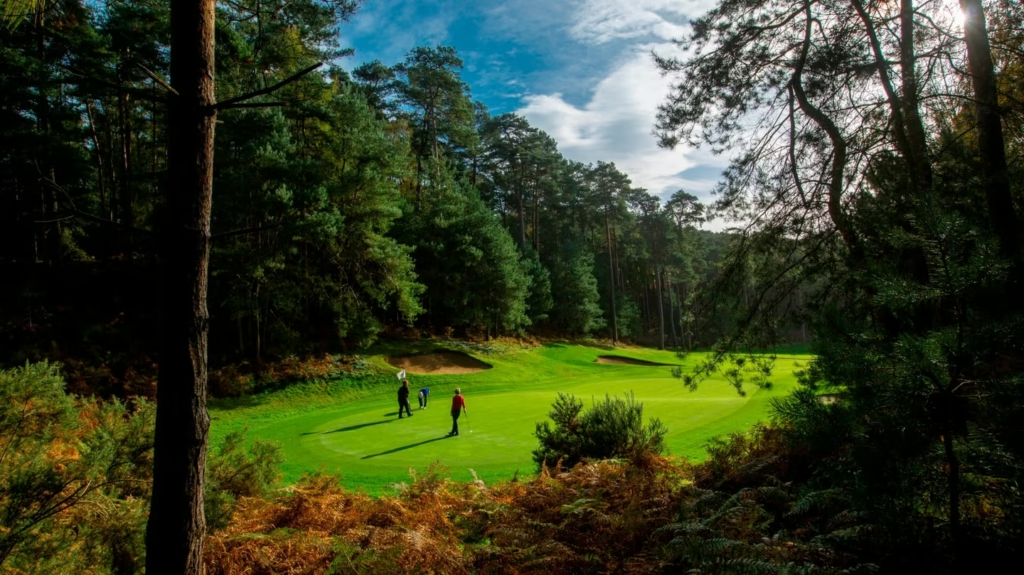
Each course at Woburn Golf Club has its own identity, which directly influences Woburn Golf Club Green Fees rates. The Duke’s Course is the most famous, often hosting professional events and offering a challenging yet rewarding layout. Its reputation makes it the most sought-after and typically the highest in demand among visitors.
The Duchess’ and Marquess’ courses provide slightly different playing experiences, both designed to test accuracy and strategy. While Woburn Golf Club Green Fees rates remain consistent in terms of premium positioning, some variation exists depending on the course and package selected. This allows golfers to choose based on difficulty preference and overall playing experience.
Visitor Packages and What They Include
Woburn Golf Club Green Fees rates are often structured into visitor packages designed to deliver a complete golfing experience. These packages typically include an 18-hole round, breakfast on arrival, and a two-course lunch in the clubhouse. This combination of golf and hospitality adds significant value to the overall visit.
Many players prefer package-based Woburn Golf Club Green Fees rates because they simplify the booking process and enhance convenience. Additional services such as buggy hire, trolley rental, and practice range access are also available. These extras ensure that visitors can tailor their experience based on comfort and playing needs.
Booking Tee Times and Planning Your Visit
Booking in advance is essential when it comes to securing the best Woburn Golf Club Green Fees rates. The official club website provides real-time availability and the most accurate pricing information. Due to high demand, especially during peak season, early reservations are strongly recommended to avoid disappointment.
Understanding Woburn Golf Club Green Fees rates also helps visitors choose the most suitable time slots. Midweek bookings often provide better availability and slightly more favourable pricing compared to weekends. Group bookings and corporate packages are also available, making it easier for larger parties to enjoy the course together.
Tips for Getting the Best Value
Golfers looking to maximise value from Woburn Golf Club Green Fees rates should consider playing during off-peak periods. Weekday rounds are generally more affordable and offer a quieter playing environment. This allows visitors to enjoy the course at a more relaxed pace while still experiencing its full quality and challenge.
Another effective way to optimise Woburn Golf Club Green Fees rates is by choosing bundled packages instead of standalone green fees. These packages often include meals and additional benefits that improve overall value. Planning ahead and being flexible with dates can make a significant difference in overall cost and availability.
Is Woburn Golf Club Worth the Green Fees?
Woburn Golf Club Green Fees rates may appear premium compared to other UK courses, but the experience often justifies the cost. The combination of world-class course design, excellent maintenance, and outstanding service creates a golfing experience that is difficult to match elsewhere in the country.
Ultimately, Woburn Golf Club Green Fees rates reflect the quality and exclusivity of the venue. For golfers seeking a memorable and high-standard round of golf, Woburn delivers exceptional value in terms of experience, atmosphere, and prestige. Careful planning ensures visitors get the most from their visit while enjoying one of England’s finest golf destinations.